

Which Factors Affect Skin Biological Age the Most?
Understanding What Truly Drives How Old Your Skin Looks—and Acts When it comes to aging, your biological skin age often tells a more honest story than the number on your birthday cake. Two people at age 50 can look—and feel—completely different, depending on how their skin has biologically aged. But what really drives these differences? Recent skin science, especially the SEHI (Skin Epigenetic Hydroxylation Incompetence) concept, reveals that your biological skin age is shaped by far more than genetics or time — it’s
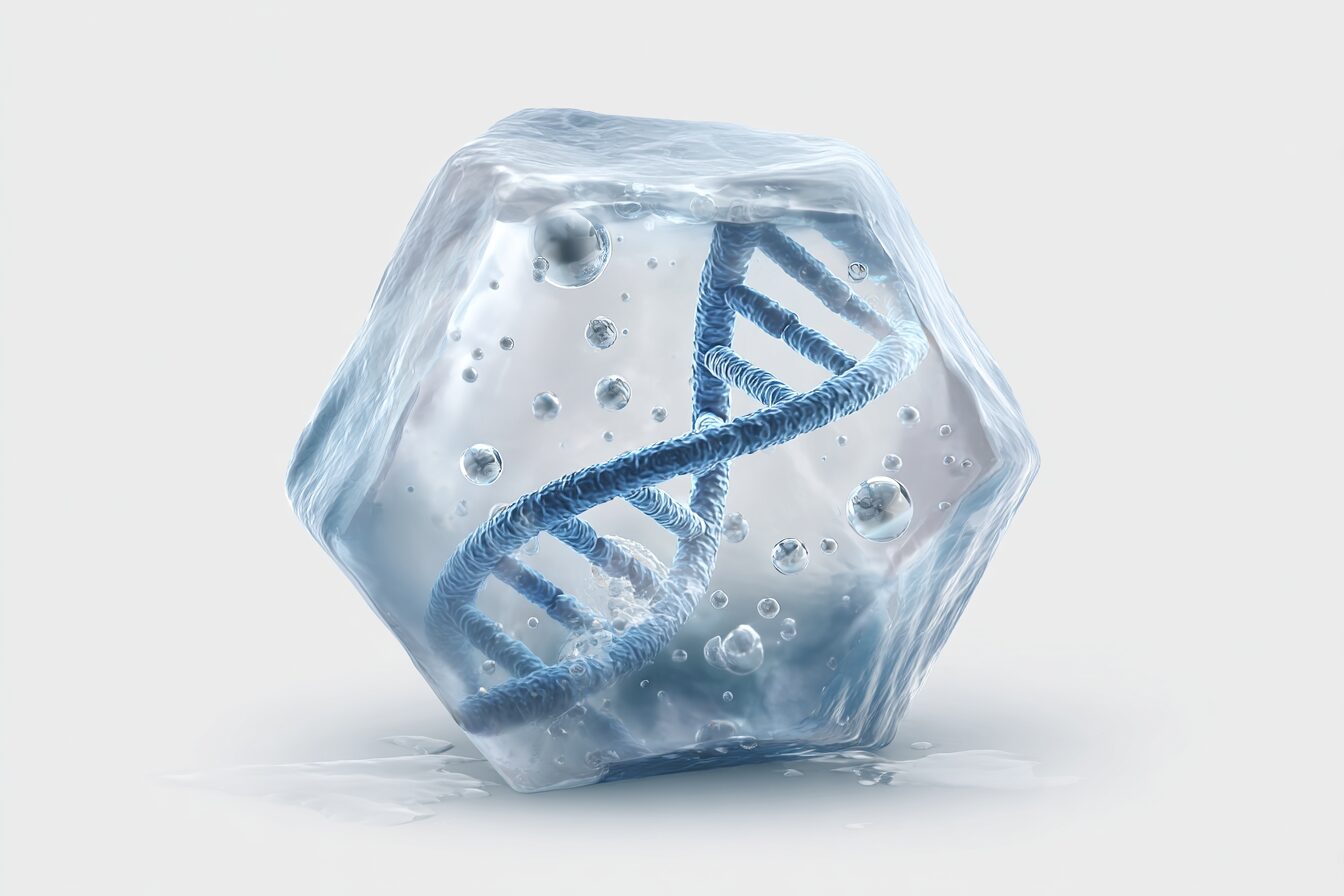
Why Older Skin Reacts More Strongly: The Hidden Story of DNA Methylation
As we age, our skin seems to become more reactive. A little sunlight leads to redness, a new cream causes irritation, and environmental stress leaves a lasting mark. However, this sensitivity is not just a surface issue. It happens deep within your skin’s DNA. Scientists have discovered that older skin cells generate DNA methylation changes, which are tiny chemical switches on genes, more easily and dynamically in response to outside stimuli. Here is why that happens and what it means for your skin’s health and aging. DNA
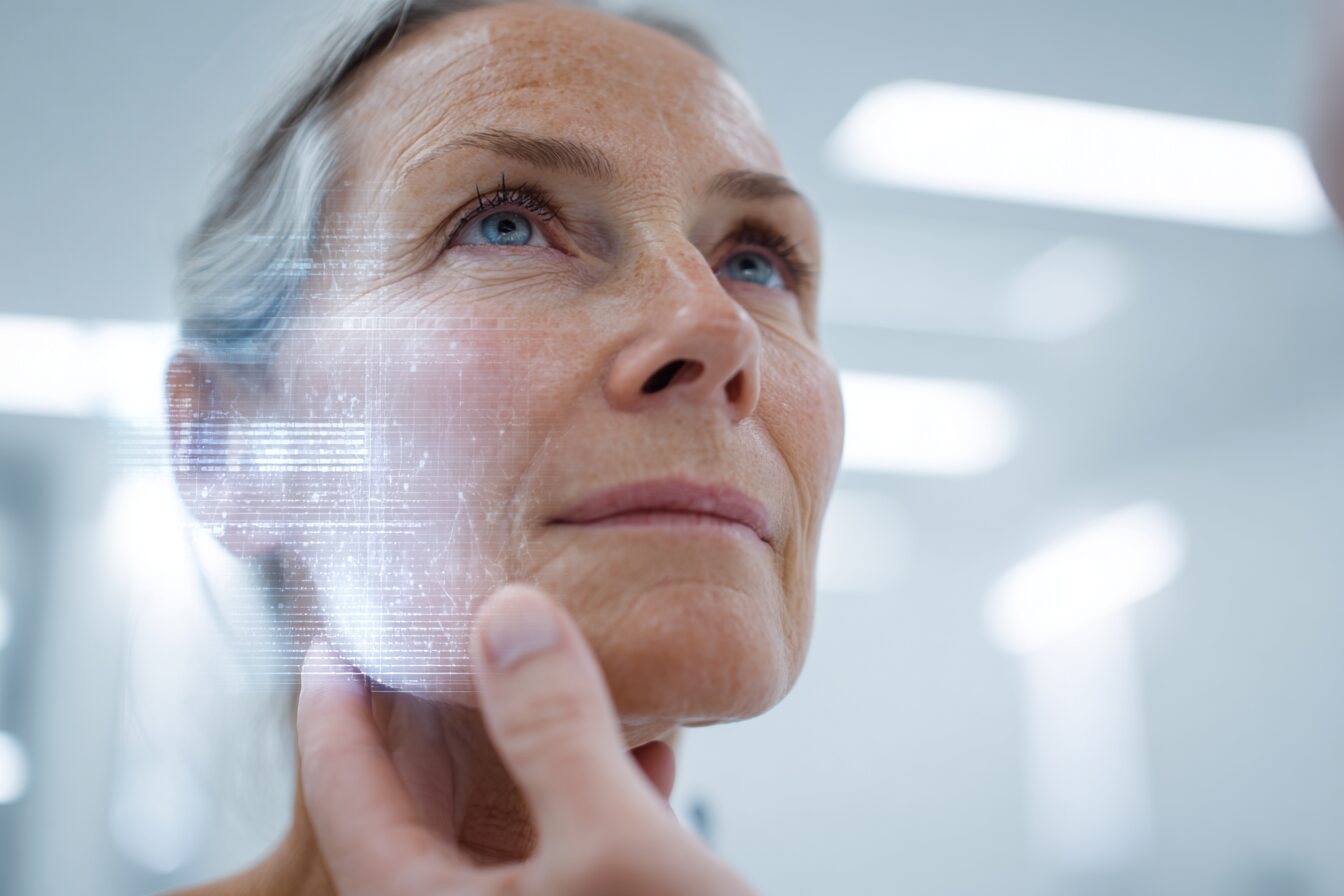
Truly Personalized Skincare: Self-Test Detection of Aging Speed and Resetting to Healthy Aging
For decades, skincare has largely been guided by generalized claims such as “anti-wrinkle,” “firming,” or “brightening.” While somewhat effective, these approaches rarely consider that each person’s skin ages differently. Recent advances in skin biology and consumer technology are now opening the door to a new era: truly personalized skincare based on self-testing of skin aging speed. Why “Aging Speed” Matters Skin aging is not simply about chronological years; it is about biological speed. Two people of the

Factors That Accelerate Skin Aging
Accelerated skin aging, also known as premature aging, refers to the appearance of aging signs earlier than what is typically expected based on chronological age. This includes the development of wrinkles, age spots, dryness, loss of skin tone, and sagging—features normally associated with older age. Several factors can contribute to accelerated skin aging, both internal and external. Intrinsic Factors (Internal) Extrinsic Factors (External) Recent scientific insights suggest that both intrinsic and extrinsic skin-aging path
What Is Accelerated Skin Aging, and How Does It Happen?
We’ve all seen it: two people of the same age, yet one looks noticeably older. This isn’t just about luck or good genes—it’s often the result of accelerated skin aging. But what exactly does that mean, and why does it happen? Let’s break it down in simple terms. Normal vs. Accelerated Skin Aging Everyone’s skin changes with time. Natural, or “healthy,” aging includes gradual loss of collagen, slower cell renewal, and fine lines that appear over the years. Accelerated aging, however, occurs when these changes ha
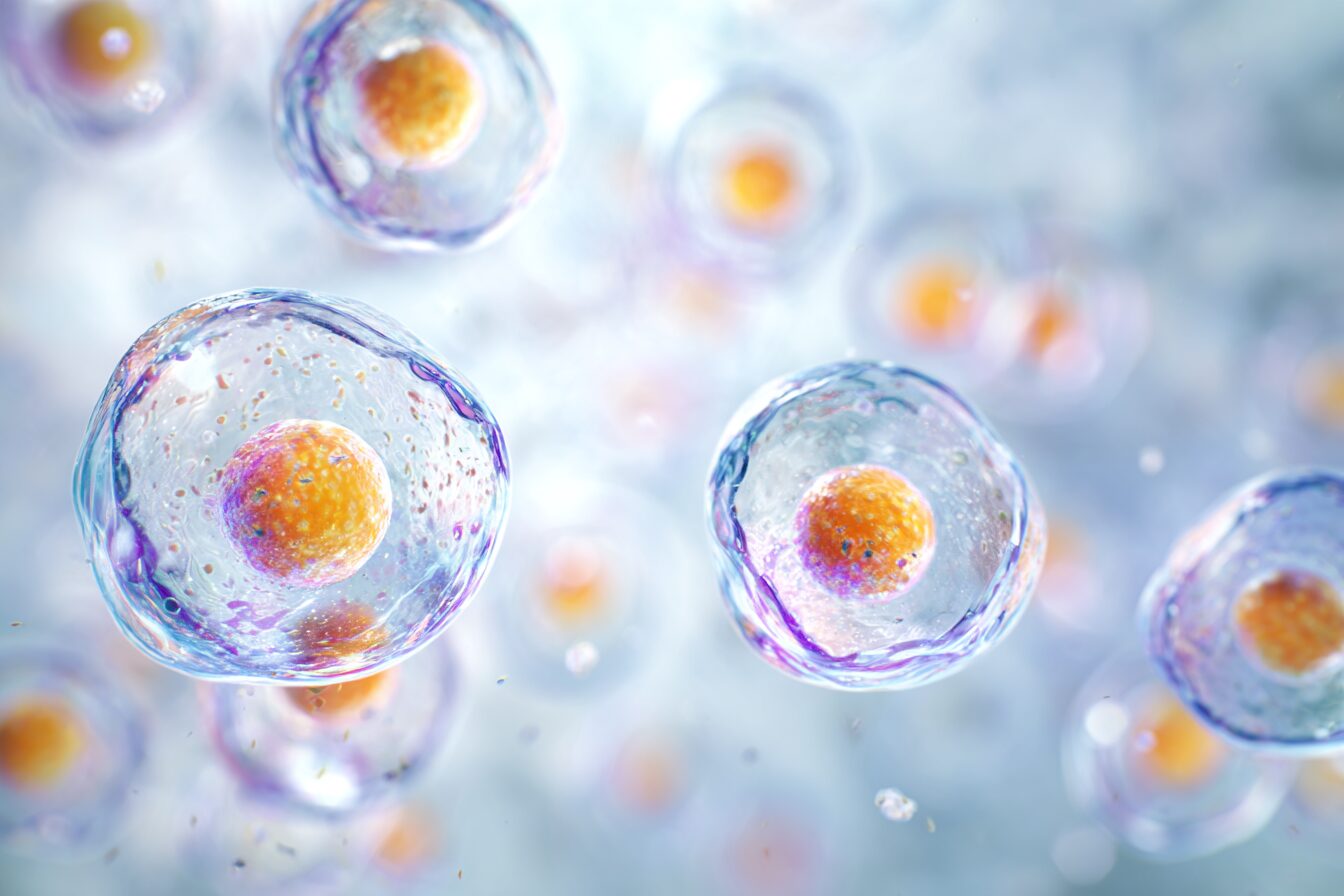

Skin Aging: Why Oxidative Stress Might Be Your Skin’s Worst Enemy
Aging is a natural process, but have you ever wondered why some people seem to age faster than others? While genetics, epigenetics, lifestyle, and environmental factors all play a role, science points to one major hidden culprit: oxidative stress. At the heart of many visible signs of aging — fine lines, wrinkles, dullness, and loss of elasticity — is a cellular-level battle against damage caused by free radicals. Let’s take a closer look at what oxidative stress is, how it accelerates skin aging, and what you can do to

Still Using Your 20s Skincare Routine After 45? Here’s Why Your Skin Deserves Better
As we age, our skincare routines should evolve just as our skin does. Yet many people unknowingly hold on to habits and products that worked in their 20s, without realizing that mature skin has completely different needs. If your skin feels drier, looser, or less radiant and your routine hasn’t changed much in years—this article is for you. How Skin Function Changes After 45 Around the age of 45, a combination of biological and hormonal changes begins to affect skin performance. These shifts include: Hydroxylation plays a

Can Exercise Slow Down Aging Skin? Yes, But Not in the Way You Think
We all know exercise is good for your heart—but what about your face? Here’s how movement affects your skin from the inside out, and why it’s not just about sweat. After 45, Your Skin Doesn’t Just Age — It Changes How It Works You might notice it takes longer to bounce back from dryness. Fine lines appear more easily. Your glow seems to fade no matter how hydrated you stay. The truth is, mature skin isn’t just drier; it’s less responsive. As we age, the skin’s internal functions begin to slow down, especially p
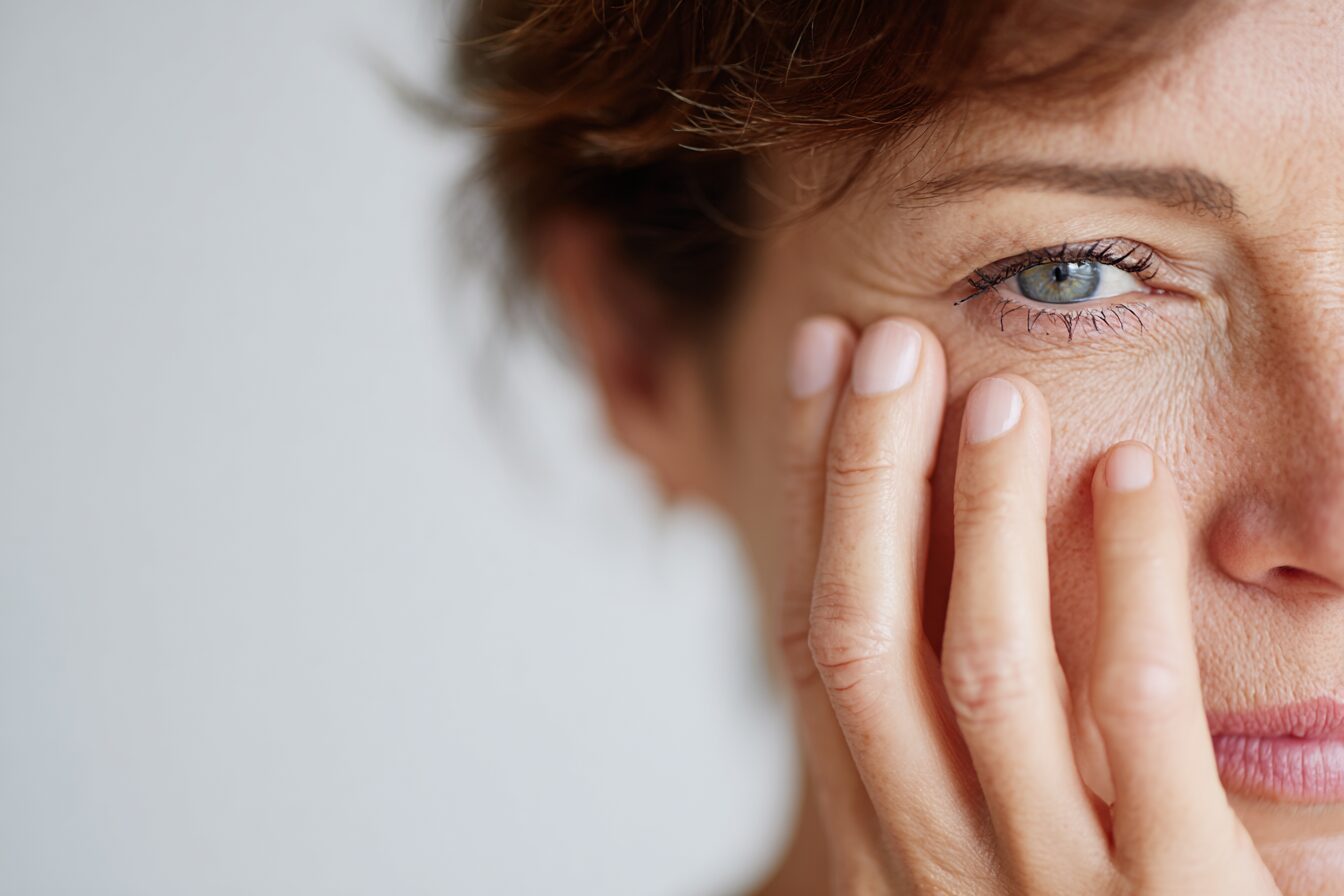
Dry, Saggy, Dull Skin? 3 Skincare Habits You Need to Quit After 40
Some habits may seem helpful, but they could actually be making your skin worse. Discover the top three common mistakes in mature skincare routines and how to fix them. As we age, our skin doesn’t just “get older.” It changes in how it functions, repairs, and responds.If you’re 40 or beyond and noticing that your skin feels drier, looks less firm, or seems dull no matter what you apply, you’re not alone.And the issue might not be age—it might be your habits. Let’s explore three common skincare mistakes that could