
SEHI-Targeted Elasticity Boost: How to Bring Back Your Skin’s Natural Bounce from Within
As we age, one of the first and most frustrating changes we notice is the loss of skin elasticity — our skin no longer “snaps back” the way it used to. Fine lines deepen, cheeks feel less firm, and even the best moisturizers seem less effective. But recent breakthroughs in skin science reveal that this […]

Why Only Skin Epigenetic Hydroxylation Can Truly Reset Accelerated Skin Aging
When we think about aging, we often imagine a natural, slow journey, like seasons changing. That’s healthy aging. But in reality, most of the lines, sagging, and spots we see in the mirror come not just from time itself but from accelerated aging. This occurs when stress, pollution, UV light, and lifestyle factors press fast-forward […]
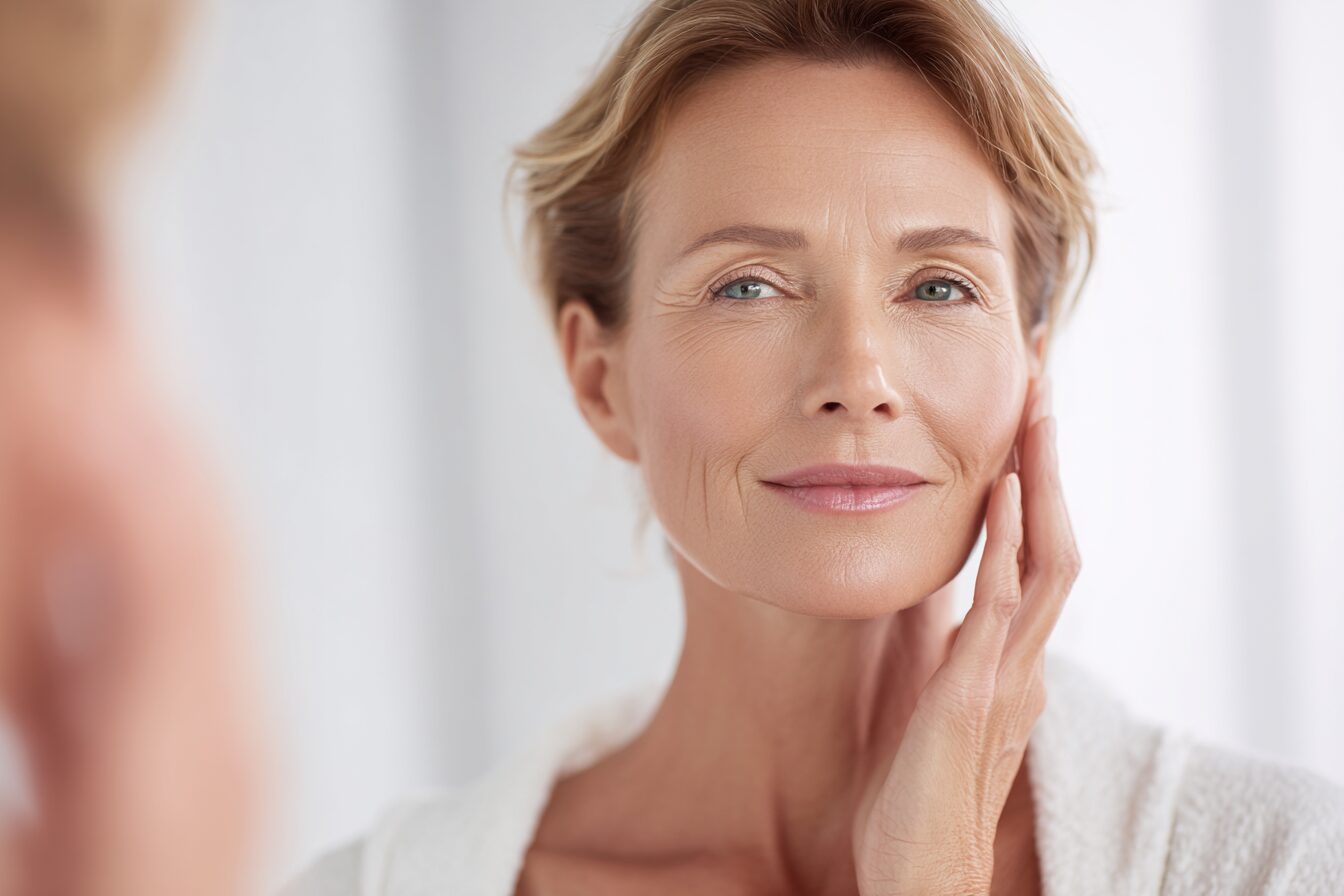
Hallmarks of Accelerated Skin Aging Caused by Epigenetic Hydroxylation Incompetence
What Is Accelerated Skin Aging? Skin aging is not always a smooth and gradual process. There are certain biological acceleration points where changes occur more rapidly, and the ages of 44 and 60 are two notable examples. This phenomenon is known as accelerated skin aging, or premature aging, which refers to the early appearance of […]
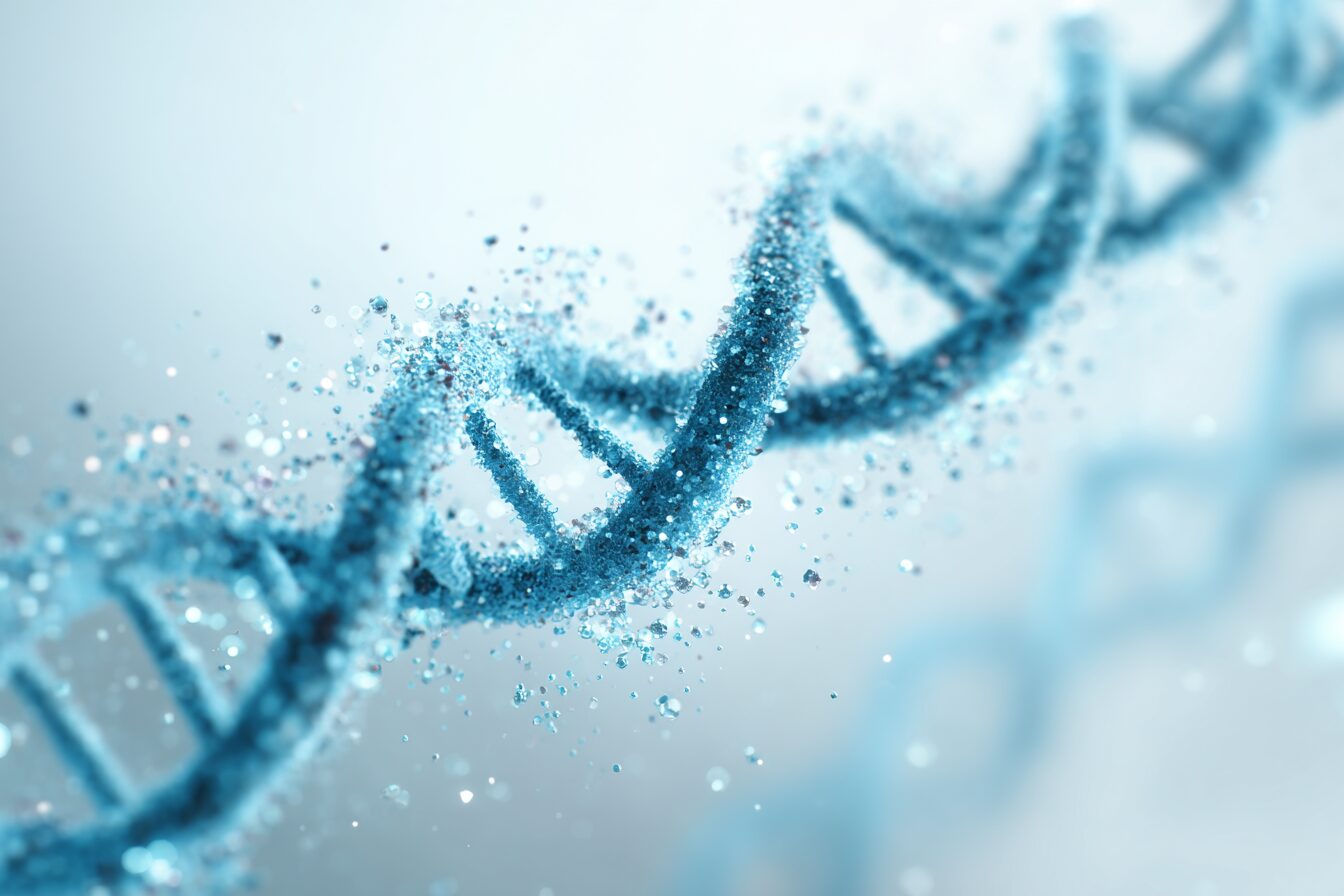
Characteristics of Skin Epigenetic Hydroxylation Incompetence in Accelerated Skin Aging
Skin epigenetic hydroxylation incompetence (SEHI) can be defined as a progressive decline in the skin’s ability to perform hydroxylation-dependent epigenetic modifications, primarily DNA and histone hydroxymethylation. These modifications regulate gene expression related to repair, regeneration, and antioxidant defense pathways. Therefore, SEHI involves a disruption or deficiency in the hydroxylation process within skin cells, contributing to […]

Why Skincare Needs to Target Accelerated Skin Aging, Not Simple Aging
When we talk about skin aging, most people imagine the natural process of growing older: the gradual thinning of the dermis, the appearance of fine lines, or a slower rate of cellular renewal. This “simple aging” is an unavoidable physiological process determined by time. However, what truly concerns both dermatologists and the skincare industry is […]
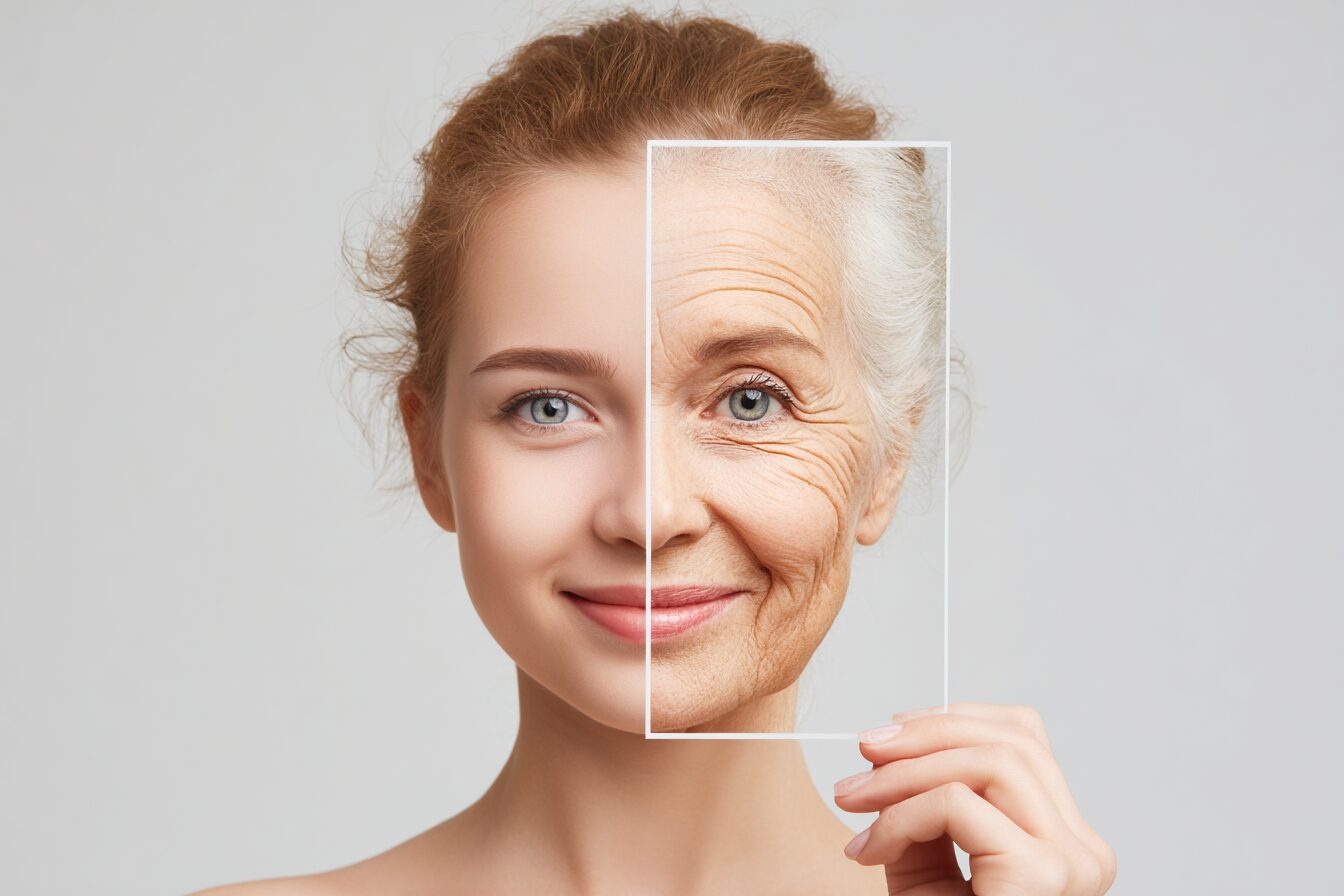
Skin Aging Mystery: Why Your Skin Age Could Be Younger Than Your Birth Age — and Why It Differs by Age Group
Have you ever met someone in their 50s who looks like they’re in their 30s—and someone else the same age who looks much older? That’s the mystery of biological skin age versus chronological age. While your birthday counts the years you’ve lived, your skin age reflects how well your skin has actually aged on a […]
The Real Reason Your Skin Is Aging Faster Than It Should — And What Science Just Discovered
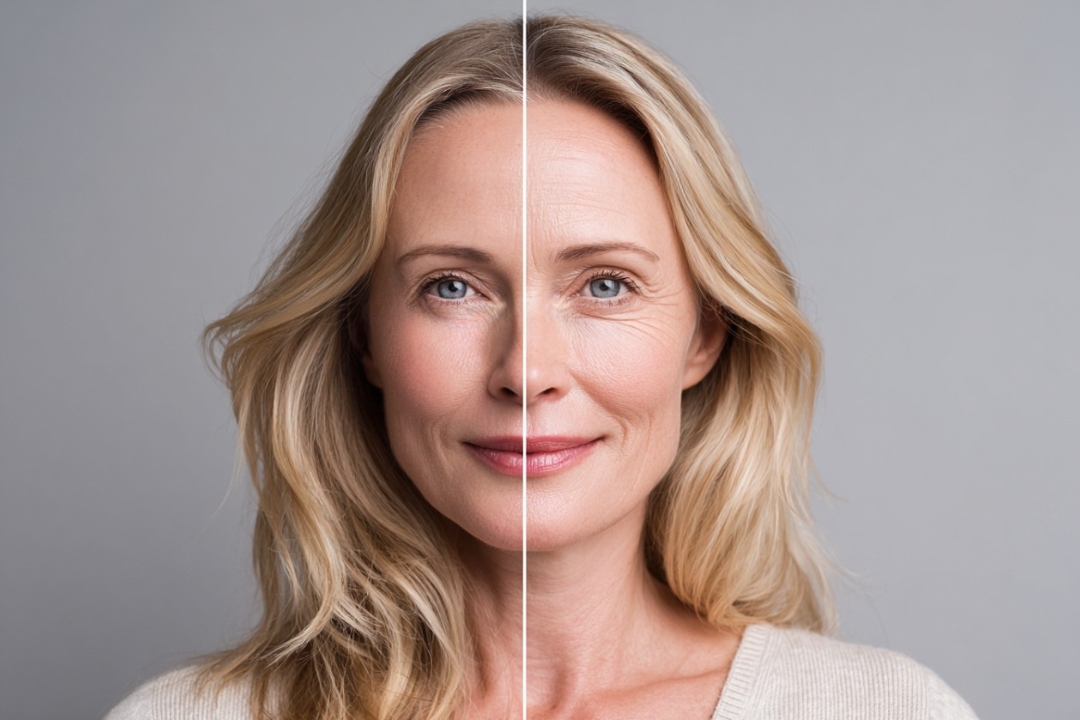
You have tried everything: moisturizers, collagen creams, antioxidant serums. Yet somehow, your skin still shows signs of aging — fine lines, dryness, dark spots, dullness. If this sounds familiar, you are not alone.And no, it is not your fault.The real reason might be something almost no one is talking about yet. The Missing Piece: A […]
Skin Epigenetic Hydroxylation Activation: Root-Targeted longevity Skincare
For decades, skin aging has been explained by two main categories: intrinsic aging, the natural decline of cellular function with time, and extrinsic aging, caused by environmental stressors such as UV radiation, pollution, and lifestyle factors. While these models describe the effects, they do not fully explain the root cause driving the skin’s progressive loss […]
What Is Accelerated Skin Aging, and How Does It Happen?
We’ve all seen it: two people of the same age, yet one looks noticeably older. This isn’t just about luck or good genes—it’s often the result of accelerated skin aging. But what exactly does that mean, and why does it happen? Let’s break it down in simple terms. Normal vs. Accelerated Skin Aging Everyone’s skin […]
Why Skin Cell DNA Methylation Changes Faster Than in Other Organs
Ever wondered why your skin shows signs of aging long before other parts of your body? The answer lies deeper than the surface. It’s not just about wrinkles or dryness — it’s about how your skin cell DNA changes over time. Specifically, the rate of DNA methylation changes in skin cells is much faster than […]